
The Forgotten Victory and Aircraft Day

Occupation of the Defeated Empire
Following the Ottoman defeat in World War I, the Armistice of Mudros was signed, and the armistice period began. The capital was occupied, security forces were placed virtually under the command of the occupying forces, and weapons were confiscated. The Greek occupation of Izmir fueled the already existing national resistance and created a more conducive environment for the spread of the desire for freedom among the people. While the nation's religion and desire for a free homeland were crucial to the struggle, they needed leaders to organize and become a deterrent force. This leadership role would be assumed by young officers who had endured long and arduous years of war.
From the very beginning of the occupation, public discontent was evident. Officers, aware of this situation, made plans among themselves and initiated a process of integration. This process would begin with secret meetings and soon escalate into a struggle with internal and external forces. Following the decision made by the Allies at the Paris Peace Conference, Greek forces landed in Izmir (May 15, 1919).¹
The congresses, which began with Mustafa Kemal Pasha's arrival in Samsun, opened the door to another dimension in the integration of the people and the military. The political conflict between Ankara and Istanbul evolved into a struggle against rebellions launched by the Istanbul-backed armed forces against Ankara along the front lines. According to Akşin, the pro-sultan civil war, supported by the sultan, lasted approximately a year.² Meanwhile, the peace terms finalized at San Remo (Sèvres) were communicated to the Ottoman Empire. The Sultanate Council convened, and the decision to sign was made, and Hadi Pasha, Rıza Tevfik, and Reşat Halis were appointed to sign. The Turkish Grand National Assembly, through a law passed before the Sultanate Council convened (June 17, 1920), declared the invalidity of all agreements made or to be made by the Istanbul government without its approval, starting from March 16, 1920, the day Istanbul was occupied.³
The Nation is Struggling
The National Struggle, within the framework of the National Pact decisions, mobilized by clearing away the dead soil from the nation. The halting of the advance of the Greek forces at the Battle of Sakarya and the suffocation of the enemy within the sanctuary of the homeland signaled that the struggle was nearing its end. This development sparked controversy on the Greek side; while some circles, seeking to appease public opinion, hailed it as a victory, the Greek army had lost its striking power and was forced to adopt a defensive posture. ² Despite their superiority over the Turkish side in terms of equipment and population, the Greek army's heavy defeat (with losses of one-third) is the clearest demonstration of the heroic struggle of the Turkish nation against all odds.
Despite its significant impact, the Battle of Sakarya did not definitively end the Greek occupation. Therefore, a war of annihilation was planned. Instead of attacking the enemy from a single direction, it was decided to launch a breakthrough on their right flank, severing their connection to Izmir, then encircling and destroying the army, and to move quickly to prevent any further damage from retreating forces. The army's deployment was carried out with the utmost secrecy; unit transfers were often conducted at night, and meetings were masked by events like football tournaments and tea parties.
Following the defeat at the Battle of Sakarya, the Greek side adopted a defensive posture and established a strong defensive line. It planned to counter a potential Turkish attack. While British support encouraged the Greek army to remain on the front lines, its offensive power was significantly weakened. The bombing of Samsun and the attempt to portray Izmir as Greek territory under the name "Ionia" were indicators of Greece's efforts to strengthen its position. During this period, a plan to occupy Istanbul was also considered, but it was not implemented due to the Allied opposition.
FORWARD
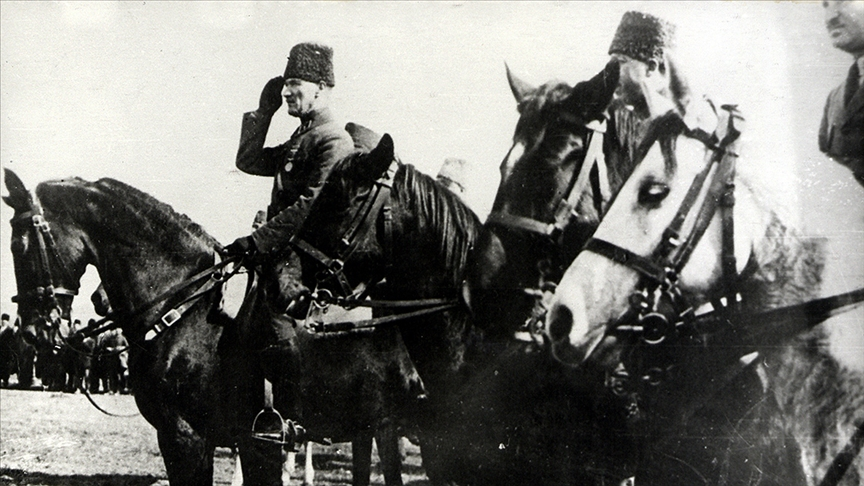
Around 4:30-5 a.m. on the morning of August 26, 1922, intense Turkish artillery fire from Kocatepe targeted Greek positions. The superiority of the Turkish artillery rendered the Greek artillery ineffective. However, the rapid launch of the Turkish infantry forced the Turkish artillery to cease fire, and the infantry became targets for the Greek artillery. Following the intense artillery preparation, fierce fighting led to the capture of Çayhisar and the capture of key positions such as Tınaz, Toklu, and Kaleciksivrisi. Greek forces, having lost their positions during the day's fighting, were forced to withdraw during the night, thus completely opening the road to Afyon. This demonstrates the successful implementation of the plan to concentrate and destroy the Greek army on one flank of the front. Later, to prevent the fleeing Greek forces from wreaking havoc, Commander-in-Chief Gazi Mustafa Kemal gave the order to advance, and the occupied territories began to be swiftly liberated. In the victory declaration written by Atatürk, victory was presented to the nation and it was announced that the Greek commander-in-chief, Trikopis, was taken prisoner.
The Young Republic Rising from the Rubble
The first celebrations of the holiday were held on August 30, 1923, the anniversary of the holiday. Although it had not yet been officially declared a holiday, army units began celebrating it in a festive spirit.⁵ Due to the efforts to establish the system of the newly established Republic and to resolve both internal and external issues, the first anniversary was held unofficially, but it became official the following year.
The first enthusiastic celebration was held on August 30, 1924, with the participation of Gazi Mustafa Kemal Pasha.⁵ A law passed in 1926 declared the victory a holiday for the Turkish army. While ceremonies were held in a less grandiose manner until the mid-1930s, by 1960, celebrations began to be more extensive, with the participation of a larger number of people. In this way, the victory was both attributed to the Turkish army and, recognizing the significant contribution of the nation to this victory, more magnificent and comprehensive celebrations were held.
The text of the law enacted in 1926 is as follows:
"Law Number: 795 Article One: The day of the Battle of Commander-in-Chief of August 30, which ensured a decisive victory in the War of Independence, is the Victory Day of the Republic's Army and Navy. Article Two: On every anniversary, this holiday is observed by the military, naval and air forces, and a military ceremony is also held in Dumlupınar according to the program prepared by the Ministry of National Defense. All public services and schools are closed on this day. Article Three: This law is valid from the date of publication. Article Four: The Executive Board is responsible for the execution of the provisions of this law. April 1, 1926" ⁶
The future is in the skies
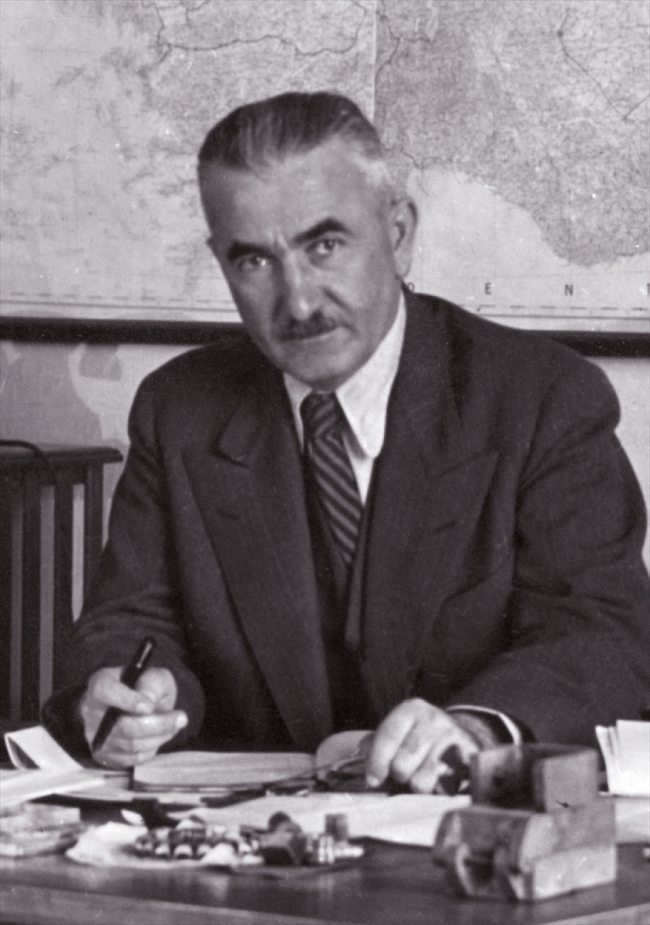
Three years after the victory (February 16, 1925), the Turkish Aircraft Society was founded. The society's aim was to enable Türkiye to produce its own aircraft and to address the urgent and general need for industrial and civil aviation. The society began its activities under the patronage of Gazi Mustafa Kemal Pasha, with Prime Minister İsmet Pasha (İnönü) serving as honorary president and Cevat Abbas Gürer, a former aide-de-camp to Gazi Pasha and a member of parliament for Bolu, serving as founding president.
Another goal of the society was to promote the military, economic, political, and social importance of aviation to the public and to provide the necessary material and moral resources in this field. Furthermore, its primary objectives include:
To acquire the latest model fighter, reconnaissance and bomber aircraft.
To create hangars, fuel depots and airports that will allow the storage and use of aircraft.
To supply the ammunition and equipment necessary for the use of aircraft.
To establish repair shops for the repair of these aircraft.
Establishing schools to train machinists; however, these schools would provide training not only in aircraft but also in tractor use and machine management in factories.⁷
When the society was founded, the initial plan was to establish an aircraft factory and use the aircraft produced there for purposes such as hunting, reconnaissance, and bombardment. The Turkish nation appreciated the importance of the funding required for this. These factories would also train pilots and, in the event of war, give the country the advantage of attacking not only from land or sea but also from the air.
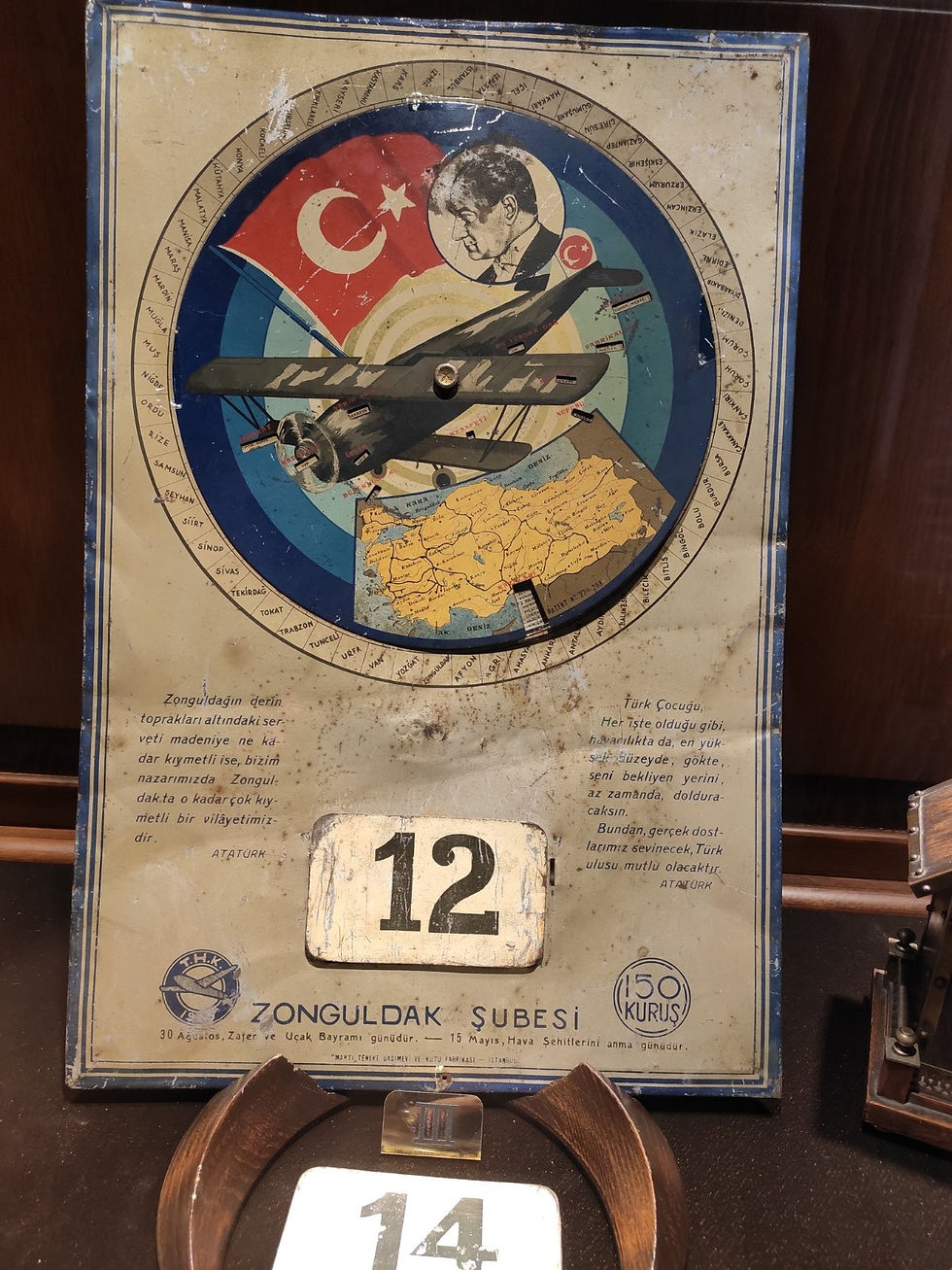
Aircraft Day was organized and a number of events were held to raise public awareness and promote the importance of the society. This holiday was scheduled for the day after Victory Day (August 31). The society's bylaws announced Aircraft Day to the public with the following message:
"The Turkish Aeronautical Association organizes all kinds of events, local ceremonies and entertainments, and strives to organize various social events in accordance with the social organization regulations."
To publicly promote and explain warplanes, a fundamental element of aviation, it was perfectly logical to schedule the holiday to coincide with the anniversary celebrations of historical victories. However, subsequent regulations led to the decision to hold Turkish Aircraft Day on the same day as the Victory Day ceremonies celebrated by the Turkish land, naval, and air forces. During the early Republican era, several initiatives were implemented to ensure the rapid development of aviation and increase public support. For example, aircraft were named after the cities, towns, villages, families, individuals, or institutions that provided the most financial support to society, by decision of the administrative board. ¹⁰
At the 1929 Victory and Aircraft Day ceremony held in Yeşilköy, Istanbul, the Republican People's Party inspector, the director of the Istanbul branch of the association, the corps commander, and Istanbul deputies were present. Aircraft purchased as a result of the donations were presented to the army after the naming ceremony. In 1931, of the 37 donated aircraft purchased as a result of the donations, six were named "Akşehir, İskilip, Bayburt, Siverek, Bodrum, and Cizre."¹¹
Aircraft Day, which began to lose its significance after World War II, slowly lost its place alongside August 30th. Once celebrated with great enthusiasm, August 30th Victory and Aircraft Day has become simply Victory Day.
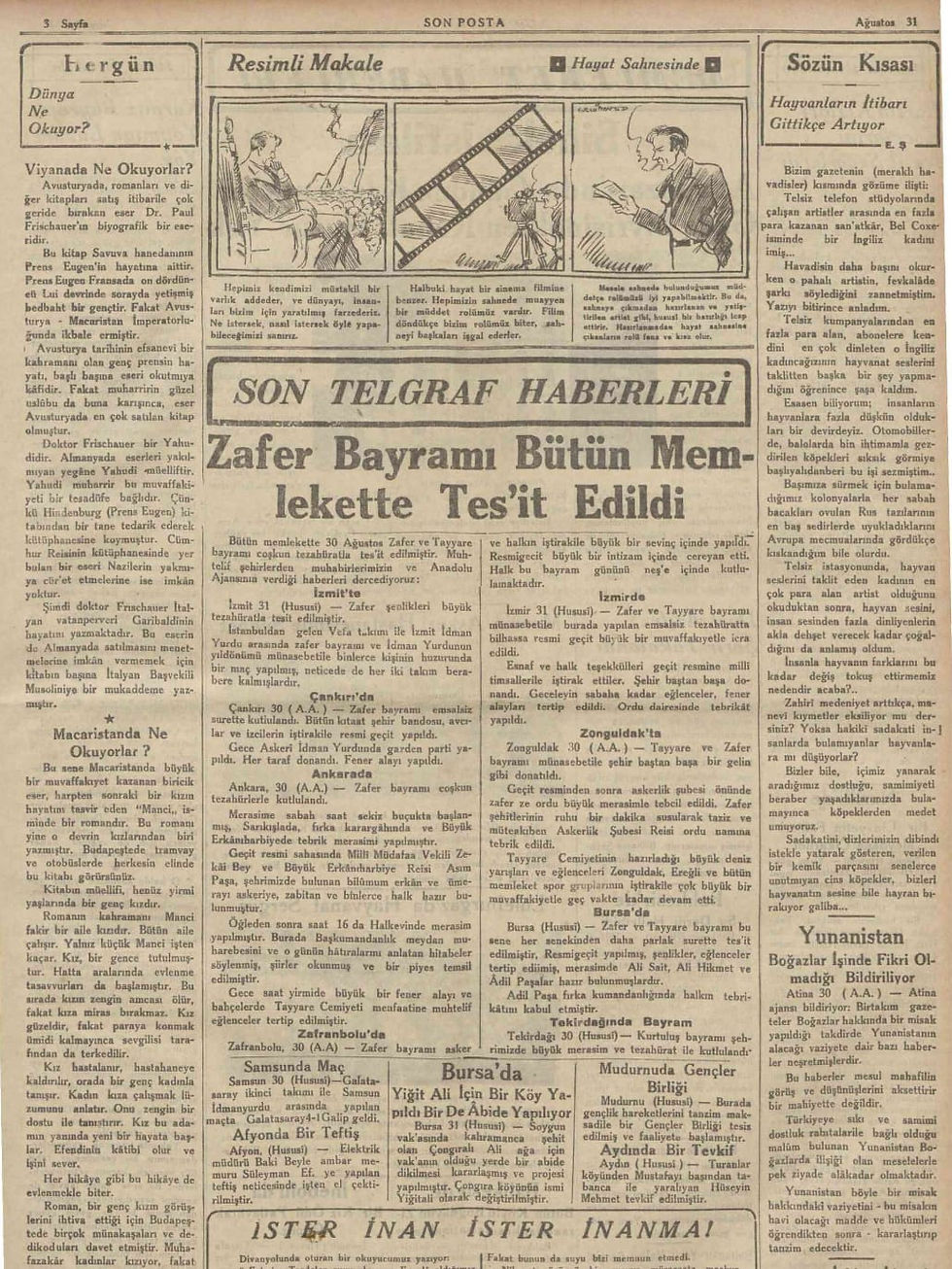
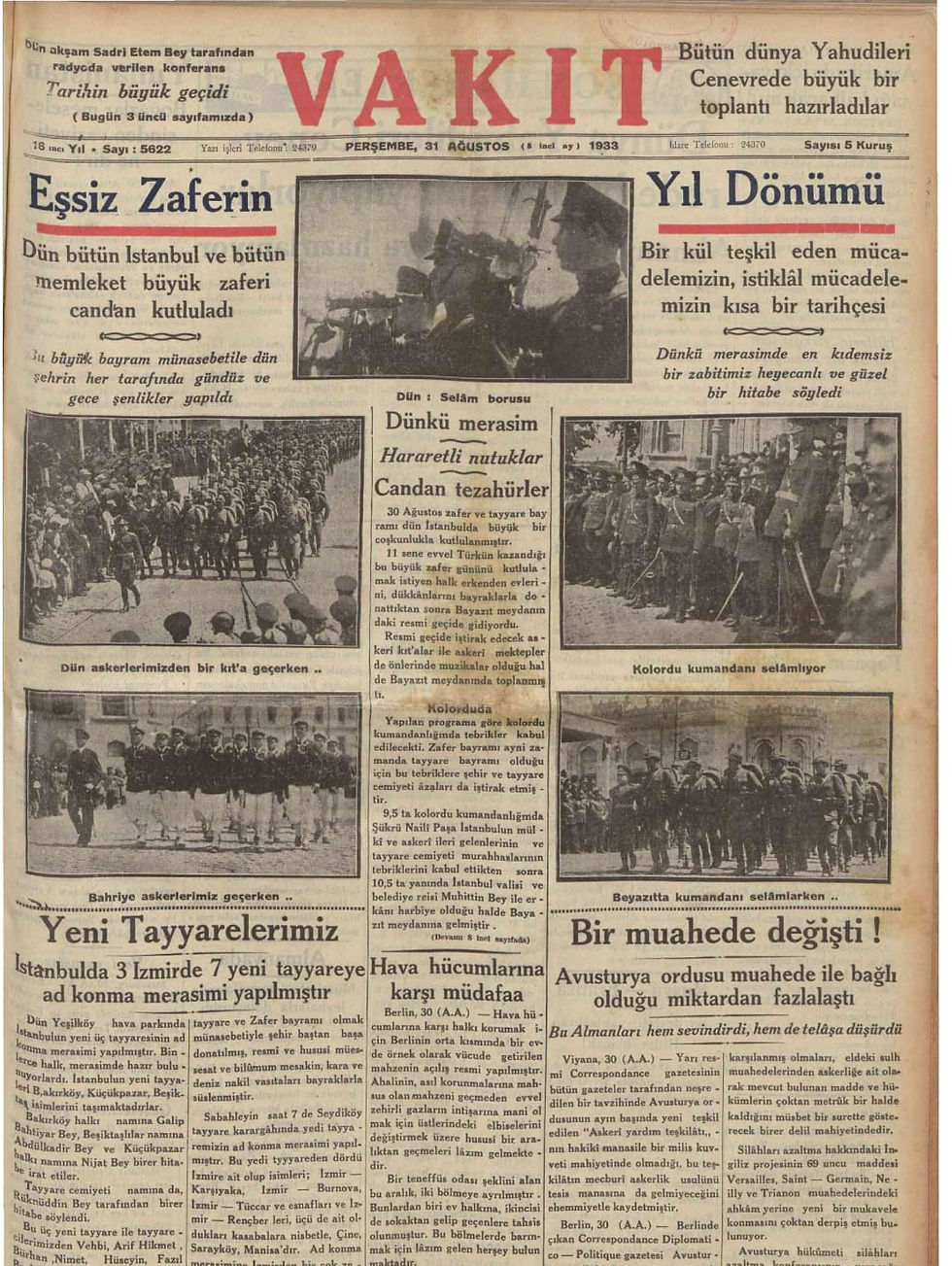
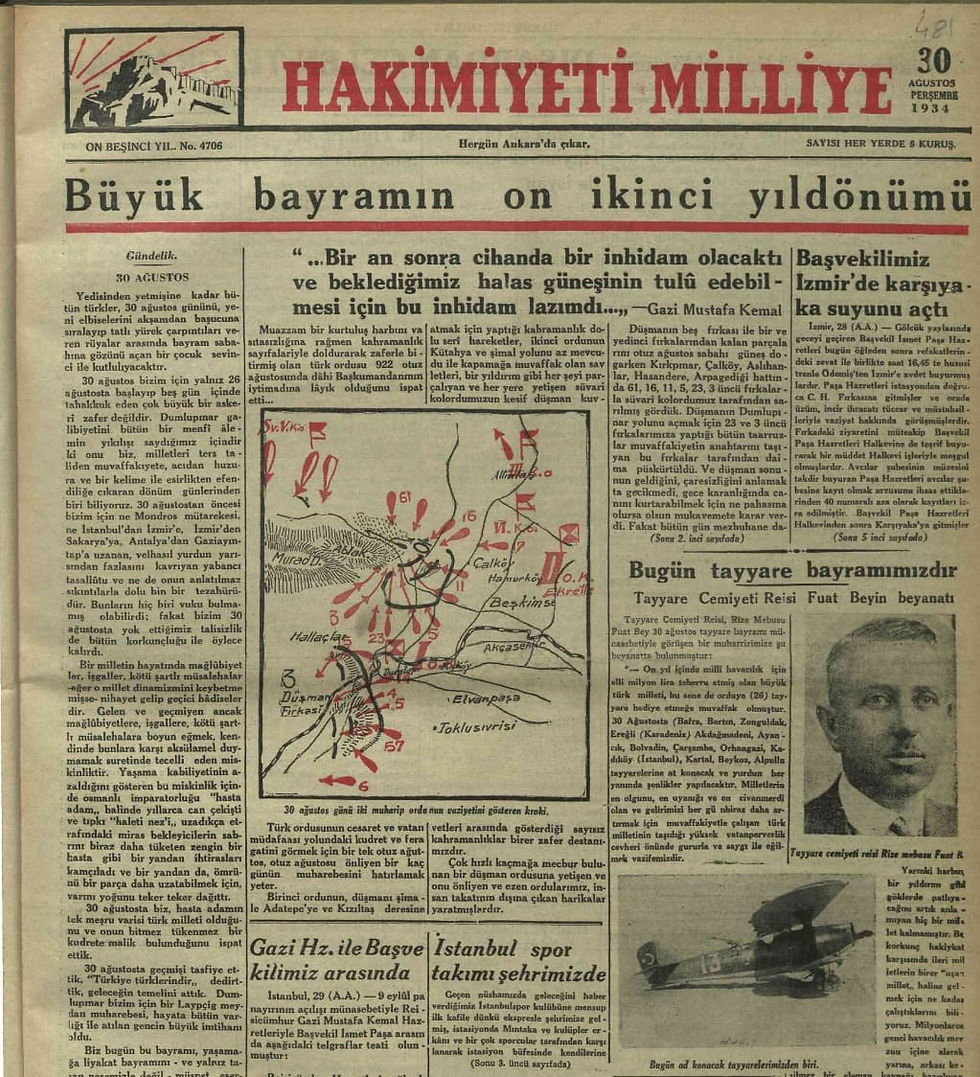
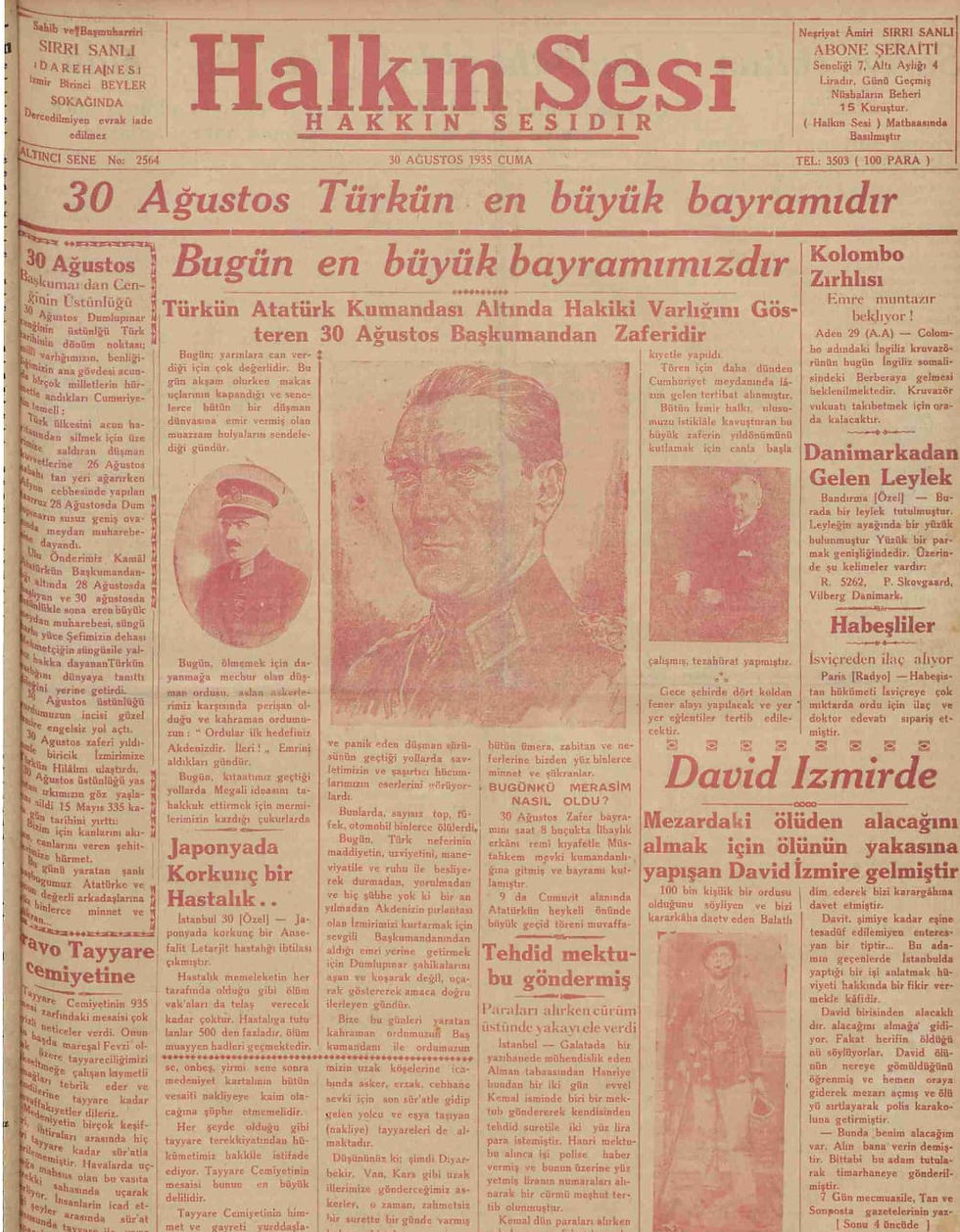
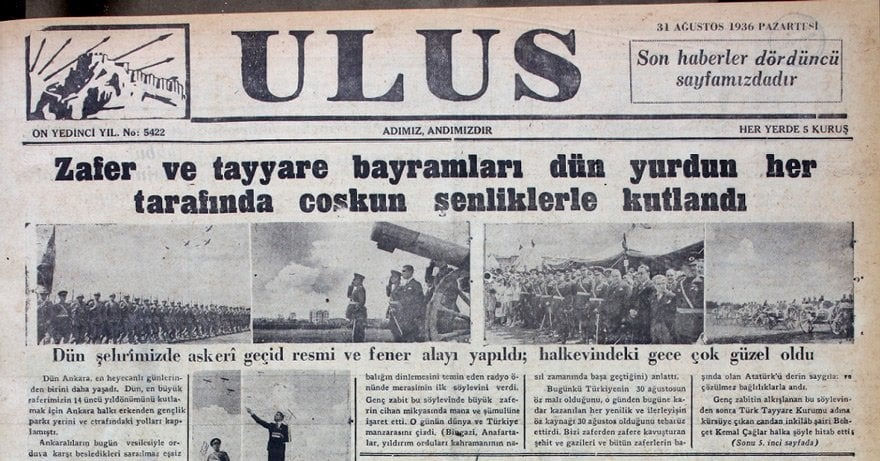
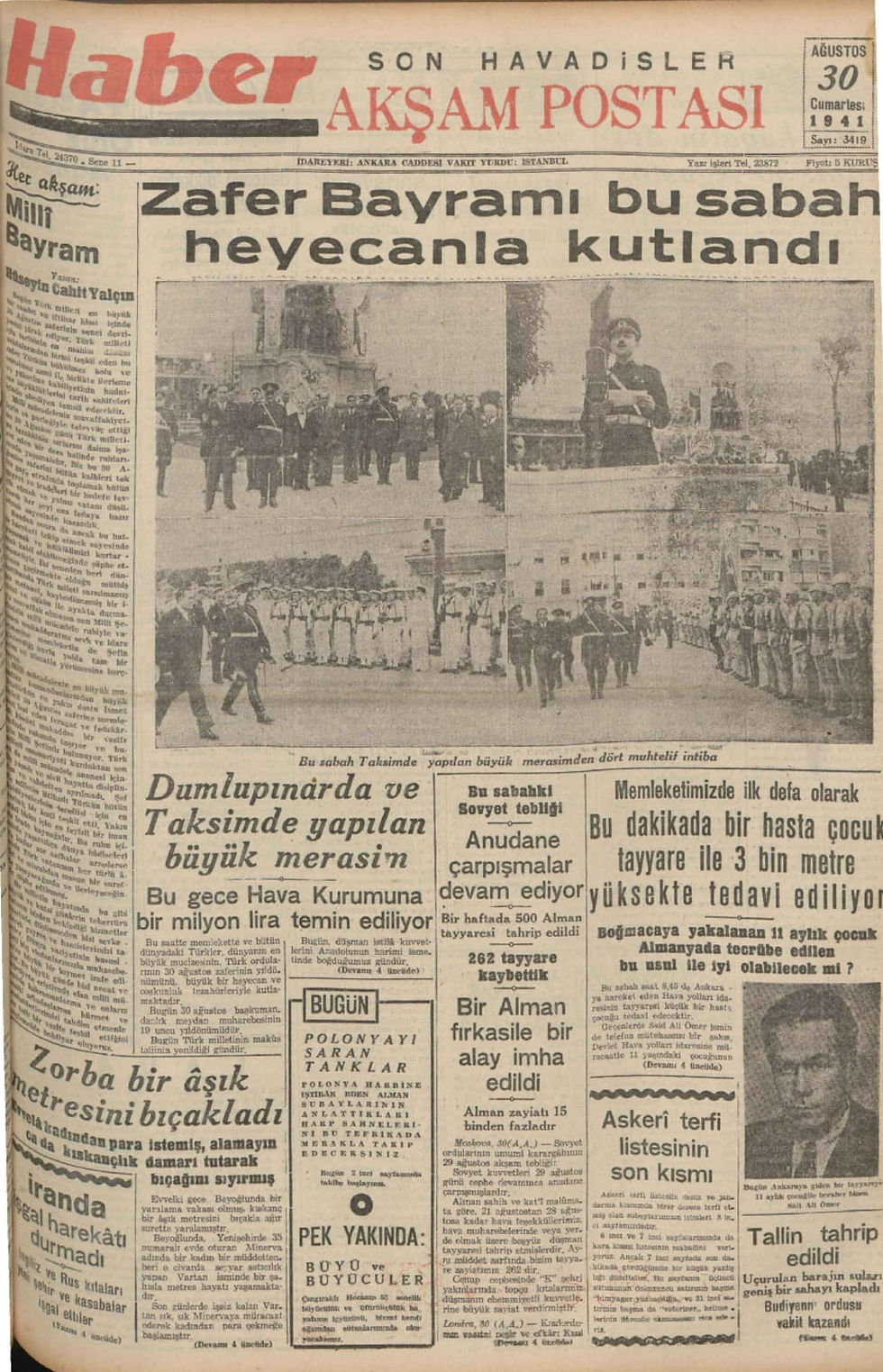
A victory won amidst hardship, the broad vision of the Republic, and the public's embrace of this victory have made Victory Day an unforgettable event. However, the failure to maintain the vision of the early Republican era led to the decline of Aircraft Day's significance over time. As can be seen from the 1923 celebrations, the holiday was first embraced by the public and then by the military. If both Victory and Aircraft Day are embraced in the same way today, perhaps in the near future, we will once again see the phrase "August 30 Victory and Aircraft Day" on television, social media, and in newspapers, as we saw in old newspaper headlines.
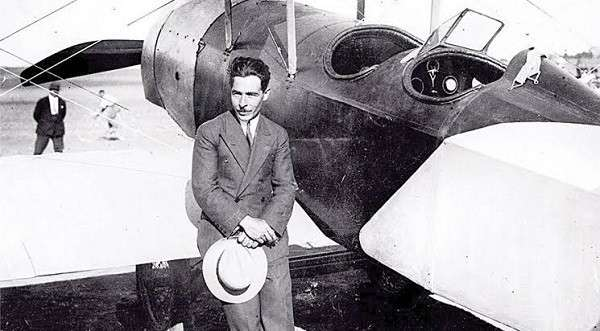
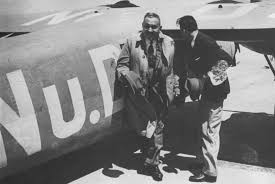
The value of victories can be sustained by always remembering them and preserving their value. As in the example of the Kut Festival, forgotten for years but slowly returning to memory today, this holiday also deeply symbolizes the following: It symbolizes the victory won by a nation's son, who didn't even have a pair of sandals, carrying it to the skies with the vision he acquired, training pilots to leave the past behind and embrace a new vision. The sacrifices of patriots like Vecihi Hürkuş, who dedicated all their resources to their nation, fighting to the end, and the sacrifices of Nuri Killigil and Nuri Demirağ, similarly, constitute the essence of this holiday. These individuals must be individually addressed and their sacrifices recounted.
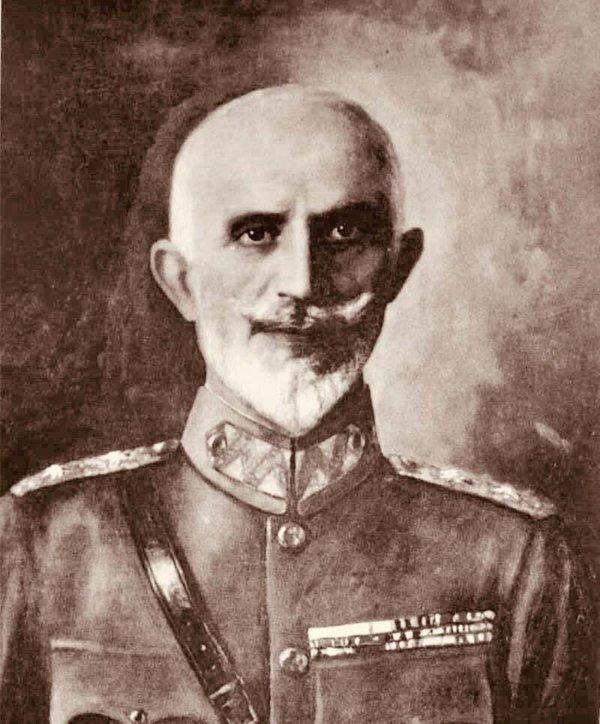
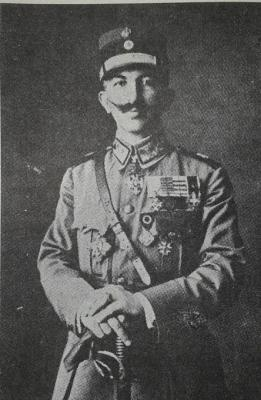
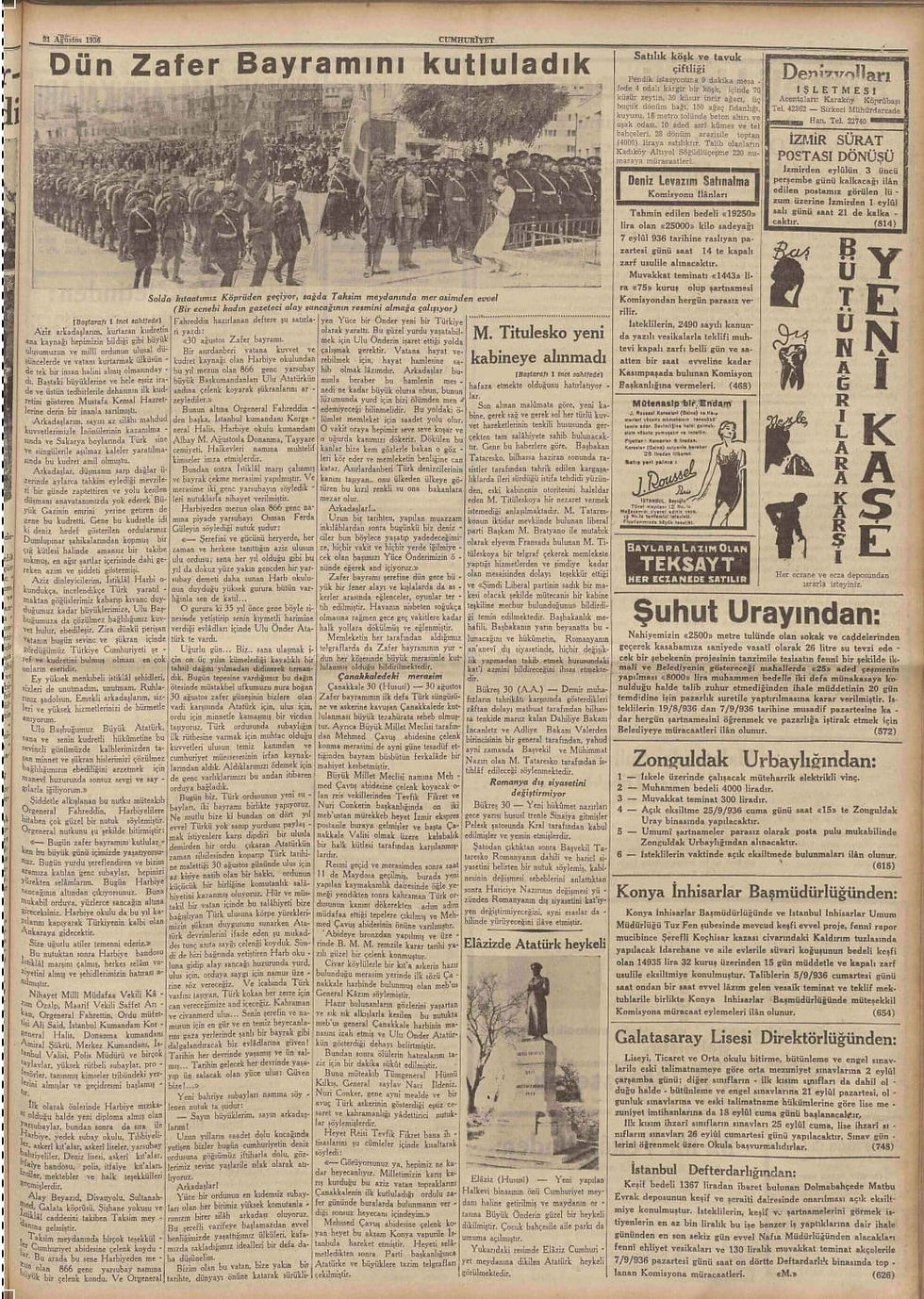
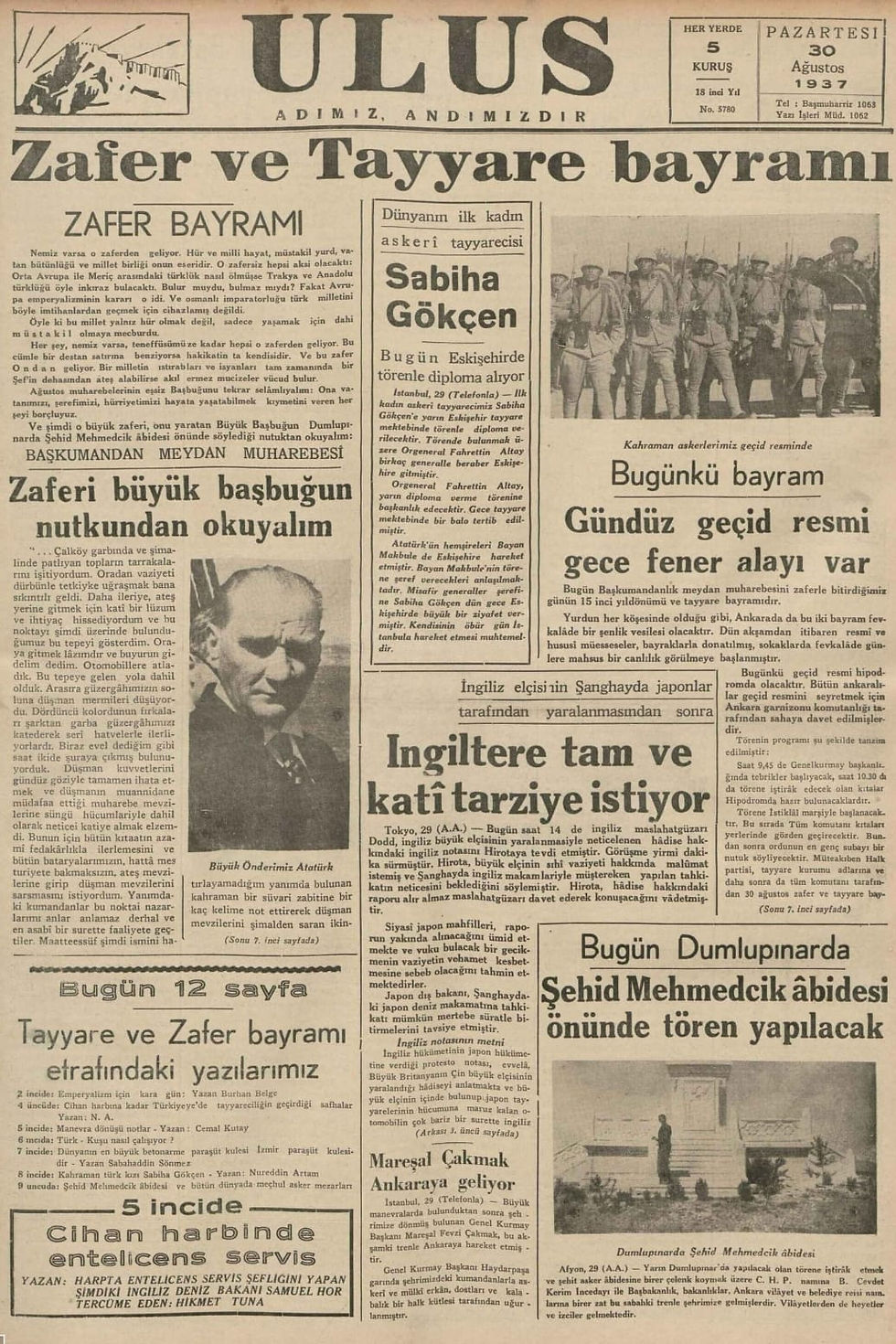
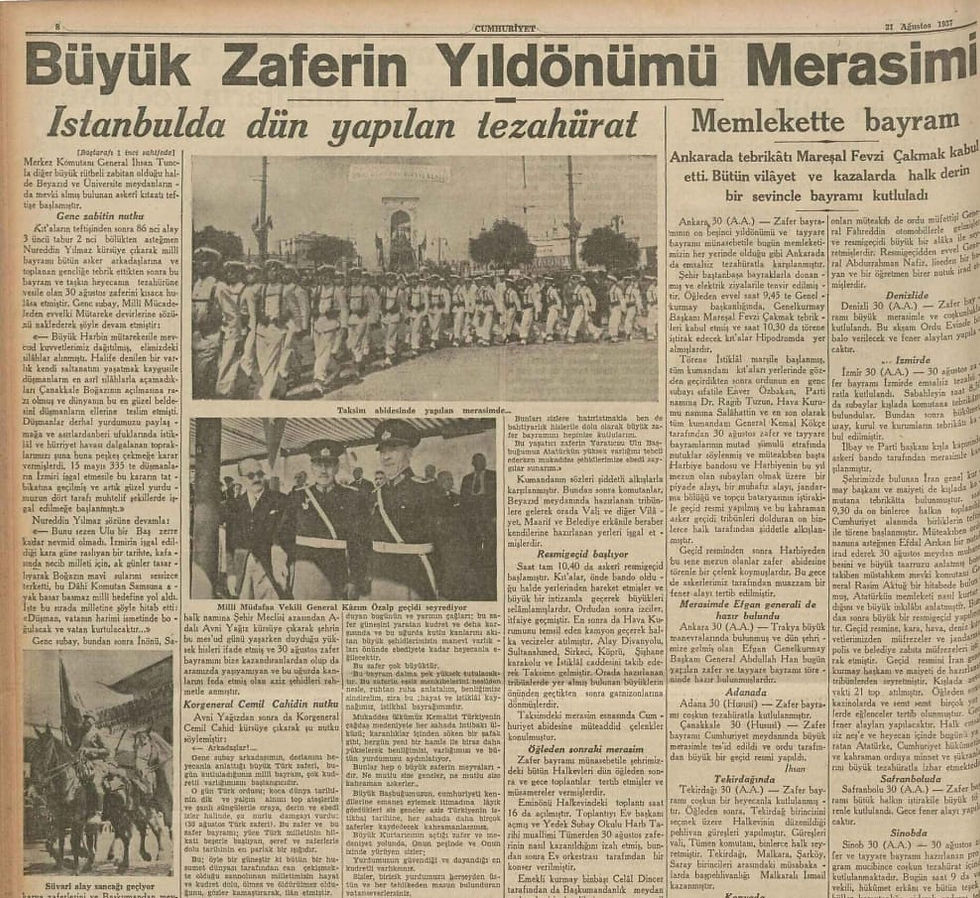
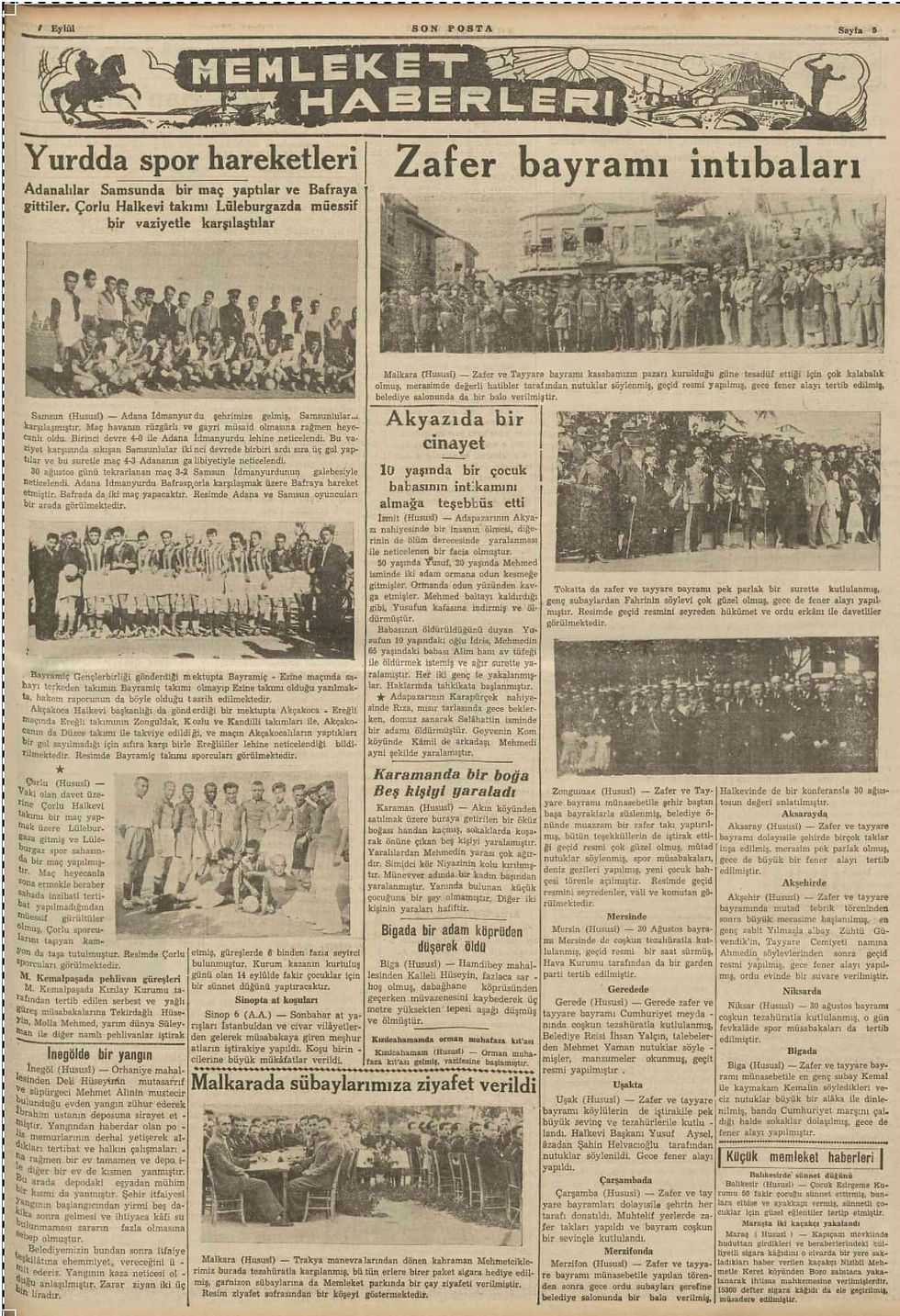
To understand how August 30th Victory and Aircraft Day was received by the public, it would be helpful to browse the newspapers in the visual section. The purpose of this article is both to emphasize the importance of Victory Day and to remind us of the forgotten Aircraft Day. " The future is in the skies. When we focus on the meaning of the saying " Nations that cannot protect their skies can never be sure of their future " , the importance of airplanes and the holiday becomes much better understood.
IMAGES
FOOTNOTES
¹ Şerafettin Turan, Turkish Revolutionary History: Book 2 – From National Resistance to the Republic of Turkey , 6th ed. (Ankara: Bilgi Publishing House, November 2021), 223.
² Sina Akşin, Turkish History 4: Contemporary Turkey 1908–1980 , 15th ed. (Istanbul: Cem Yayınevi, October 2022), 92.
³ Turan, Turkish Revolutionary History: Book 2 , 192.
⁴ Akşin, History of Turkey 4 , 101.
⁵ Hacı Veli Gök, “The First Official Ceremony of the 30 August Victory and the Anniversaries of the Great Victory in the First Decade of the Republic: The Istanbul Example,” EURASIA Journal of International Studies 9, no. 29 (December 2021): 168, https://doi.org/10.33692/avrasyad.1035692 .
⁶ Burhan Sayılır, “Some Information About the August 30 Victory Day Law, the First Victory Celebration, and the Great Offensive,” Çanakkale Research Turkish Yearbook 12, no. 16 (2014): 100, https://dergipark.org.tr/en/pub/canakkalearastirmalari/article/52852 .
⁷ 30 August Victory and Aircraft Day Celebrations: Purpose, Process and Achievements , History Studies , page 2, https://www.historystudies.net/dergi/30-agustos-zafer-ve-tayyare-bayrami-kutlamalari-amac-surec-ve-kazanimlar2018121d92454.pdf .
⁸ 30 August Victory and Aircraft Day Celebrations , 2.
⁹ August 30 Victory and Aircraft Day Celebrations , 3.
¹⁰ 30 August Victory and Aircraft Day Celebrations , 3–4.
¹¹ 30 August Victory and Aircraft Day Celebrations , 4.
BIBLIOGRAPHY
Akşin, Sina. Turkish History 4: Contemporary Turkey 1908–1980 . 15th ed. Istanbul: Cem Publishing House, October 2022.
Gök, Hacı Veli. “The First Official Ceremony of the 30 August Victory and the Anniversaries of the Great Victory in the First Decade of the Republic: The Example of Istanbul.” EURASIA Journal of International Research 9, no. 29 (December 2021): 168. https://doi.org/10.33692/avrasyad.1035692 .
Sayılır, Burhan. “Some Information on the 30 August Victory Day Law, the First Victory Celebration and the Great Offensive.” Turkish Yearbook of Çanakkale Studies 12, no. 16 (2014): 100. https://dergipark.org.tr/en/pub/canakkalearastirmalari/article/52852 .
Öztürk, Yücel. “30 August Victory and Aircraft Day Celebrations: Purpose, Process and Achievements.” History Studies 10, no. 9 (December 2018): 231–244. https://doi.org/10.9737/hist.2018.684 .
Turan, Şerafettin. Turkish Revolutionary History: Book 2 – From National Resistance to the Republic of Turkey . 6th edition. Ankara: Bilgi Publishing House, November 2021.
Prepared by Kubilay Batın ATEŞ and Kadir KAYA.
